
Conditions We Treat
PEMF for Performance
Recovery
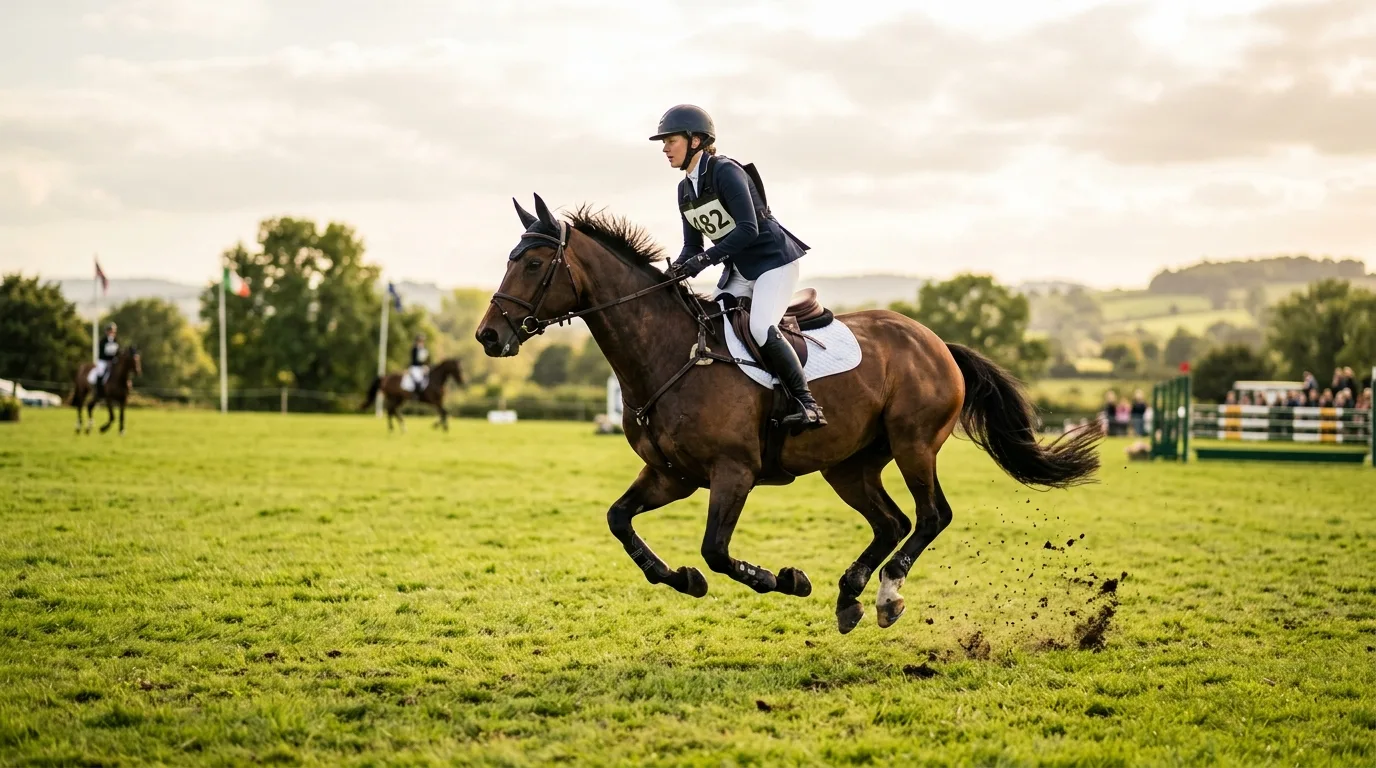
PEMF therapy isn't only for injured or aging horses. An increasing number of competitive riders and trainers are incorporating regular PEMF sessions into their horses' fitness and recovery programs — not to treat a specific problem, but to keep their horses performing at their best. From show jumpers and eventers to dressage horses and barrel racers, maintenance PEMF has become a trusted tool for managing the physical demands of regular training and competition.
Why Competition Horses Need Recovery Support
Athletic horses operate at the edge of their physical capacity on a regular basis. Intense training, travel to competitions, the physical and mental stress of performing, and the repetitive nature of sport-specific work all take a cumulative toll on the body. Without adequate recovery, this toll manifests as subtle changes: a slightly shorter stride, mild reluctance in transitions, loss of engagement behind, or a general flatness in work that experienced riders sense but can't always pinpoint.
The challenge is that these early signs of fatigue and microtrauma often go unnoticed until they become bigger problems. A horse that isn't recovering fully between sessions accumulates muscular tension, low-grade inflammation, and cellular fatigue that compound over weeks and months. This is the gap that maintenance PEMF therapy fills — addressing the small, subclinical effects of hard work before they become injuries or performance limitations.
How PEMF Supports Recovery and Performance
PEMF therapy enhances the body's natural recovery mechanisms in several ways that are directly relevant to athletic horses:
- Accelerated muscle recovery: Intense exercise creates microtears in muscle fibers and generates metabolic byproducts like lactic acid. PEMF therapy increases blood flow and cellular metabolism, speeding the clearance of waste products and delivering the oxygen and nutrients muscles need to repair. This means faster recovery between training sessions and reduced risk of cumulative fatigue.
- Reduced post-exercise inflammation: Some degree of inflammation after hard work is normal and even necessary for adaptation. But excessive or prolonged inflammation impedes recovery and can predispose tissue to injury. PEMF therapy helps regulate the inflammatory response, keeping it within productive bounds so the body recovers efficiently.
- Improved range of motion: Tight, fatigued muscles restrict movement. Regular PEMF sessions help maintain flexibility and range of motion by preventing chronic muscular tension from accumulating. Riders frequently report that their horses feel looser, more supple, and more willing to use their bodies correctly after PEMF treatment.
- Enhanced circulation throughout the body: Good blood flow is the foundation of recovery. PEMF therapy promotes vasodilation and microcirculation improvements that benefit every system in the horse's body — from muscles and joints to hooves and the digestive system. Better overall circulation supports better overall health.
- Nervous system support: The demands of training and competition create tension patterns in the nervous system as well as the muscles. PEMF therapy has a calming effect on many horses, helping to downregulate the sympathetic (fight-or-flight) nervous system and promote the parasympathetic (rest-and-restore) state that is essential for real recovery.
Pre-Competition Preparation
Many riders schedule a PEMF session one to three days before a competition to ensure their horse arrives at the show ground feeling loose, comfortable, and ready to perform. A pre-competition session focuses on ensuring all the major muscle groups are free of tension and that blood flow to the limbs is optimal. This isn't about "amping up" the horse — quite the opposite. The goal is to arrive in the best possible physical baseline so the horse can focus on the job rather than compensating for hidden soreness or restriction.
Some competition riders also book a session immediately after a show weekend to accelerate recovery from the physical demands of competing and traveling. The combination of performing, standing on a trailer, and being in an unfamiliar environment creates stress on the body that a post-competition PEMF session can address effectively.
Maintenance Protocols for Performance Horses
The ideal PEMF maintenance schedule for a performance horse depends on their level of work, the demands of their discipline, and the competition calendar. As a general guideline:
- Heavy competition schedule: Every one to two weeks during the season, with sessions timed around competition weekends when possible.
- Moderate training load: Every two to three weeks provides excellent maintenance for horses in regular work who compete occasionally.
- Off-season or light work: Monthly sessions maintain the benefits and keep the horse comfortable during lower-intensity periods, helping to prevent the stiffness and deconditioning that can occur during downtime.
Each maintenance session lasts 30 to 45 minutes and covers the whole body systematically. We pay particular attention to the areas most stressed by the horse's specific discipline — the hindquarters and back for dressage horses, the forelimbs and shoulders for jumpers, or the topline and core for horses doing collected work. The session is tailored to what we find on the day, which can vary depending on recent workload and the horse's current areas of tension.
What Riders and Trainers Report
The feedback from riders who maintain their horses on regular PEMF programs is remarkably consistent. The most common observations include: the horse feels more "through" and willing to engage its topline, transitions are smoother and more responsive, the horse shows greater symmetry in movement, recovery time between hard workouts is noticeably shorter, the horse is more relaxed and focused during training, and there are fewer unexplained "off" days where the horse just doesn't feel right.
While performance gains from PEMF therapy are not about dramatic transformation, the consistent, incremental improvements in comfort and recovery add up to a meaningful competitive advantage over the course of a season. Horses that feel good perform better — it's that simple.
Beyond the Arena
Performance recovery PEMF isn't exclusively for show horses. Trail horses covering long distances, lesson horses working with multiple riders daily, broodmares carrying and nursing foals, and retired horses maintaining an active lifestyle all benefit from the improved circulation, reduced inflammation, and enhanced comfort that regular PEMF provides. Any horse doing physical work deserves proactive support for their body, and PEMF therapy is one of the most effective, non-invasive ways to provide it.
Related Conditions
Quick Facts
- Purpose
- Maintenance recovery & performance optimization
- Best For
- Competition horses, hard-working lesson horses, active trail horses
- Session Length
- 30 – 45 minutes
- Heavy Schedule
- Every 1 – 2 weeks during season
- Moderate Schedule
- Every 2 – 3 weeks
- Pre-Competition
- 1 – 3 days before a show
Keep your horse at peak condition
Book a maintenance PEMF session and feel the difference in your next ride.
Book a Session