
Conditions We Treat
PEMF Therapy for
Laminitis in Horses
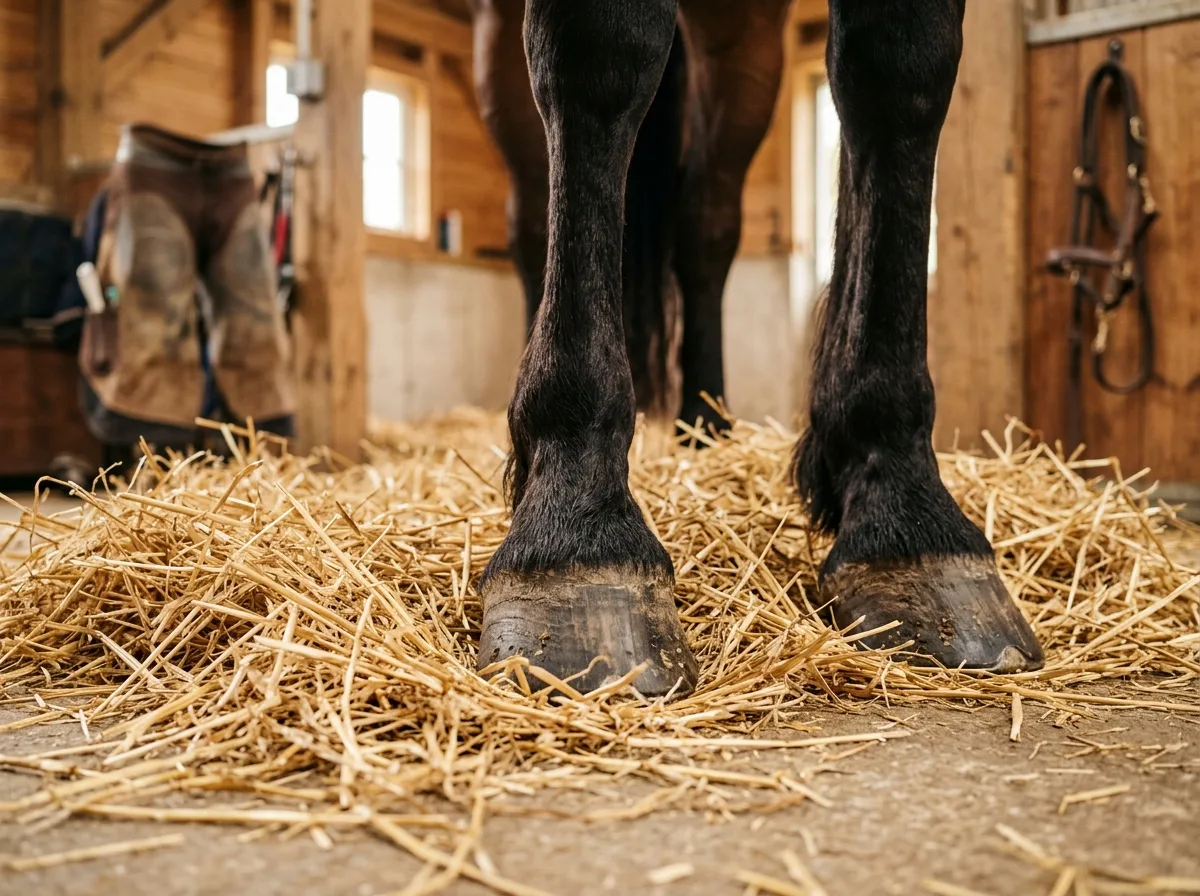
Laminitis is one of the most feared conditions in the equine world, and for good reason. When inflammation disrupts the delicate blood supply to the laminae inside the hoof, the resulting pain can be debilitating and the structural consequences severe. PEMF therapy plays a valuable complementary role in laminitis management, helping to restore blood flow, reduce inflammation, and support the healing process alongside veterinary care.
Understanding Laminitis
Laminitis is an inflammatory condition affecting the laminae — the sensitive, interlocking tissue structures that connect the coffin bone (P3) to the inner wall of the hoof capsule. These laminae bear the horse's entire weight and are critically dependent on healthy blood flow to maintain their structural integrity. When this blood supply is compromised by inflammation, the laminae weaken and can begin to separate, potentially allowing the coffin bone to rotate or sink within the hoof capsule.
The condition can be triggered by a range of factors. Metabolic causes are the most common, including insulin dysregulation associated with Equine Metabolic Syndrome (EMS) and Cushing's disease (PPID). Overloading of a supporting limb when the opposite leg is injured, grain overload, retained placenta, and prolonged work on hard surfaces can also trigger laminitic episodes. Regardless of the cause, the inflammatory cascade within the hoof follows a similar pattern: disrupted blood flow, tissue damage, and intense pain.
Signs of laminitis include a characteristic "leaning back" stance where the horse shifts weight onto its hindquarters to relieve pressure on the front hooves, reluctance to walk on hard ground, increased digital pulse in the affected hooves, heat in the hoof wall, and sensitivity when pressure is applied to the sole. Laminitis can range from mild, subclinical episodes to acute emergencies that threaten the horse's long-term soundness.
How PEMF Supports Laminitis Recovery
The core challenge in laminitis is compromised blood flow to the hoof structures. PEMF therapy directly addresses this by promoting vasodilation — the widening of blood vessels — which increases circulation to the damaged laminae. Better blood flow means more oxygen and nutrients reach the tissue, while metabolic waste products are cleared more efficiently. This is especially critical in the acute and subacute phases of laminitis when tissue is actively damaged and the body's repair mechanisms need every advantage.
Beyond circulatory support, PEMF therapy helps in several key ways:
- Inflammation reduction: PEMF modulates the inflammatory cascade by influencing cytokine production and calmodulin binding. Reducing inflammation within the hoof helps protect the remaining laminar connections and decreases the intense pain that makes laminitis so distressing.
- Cellular energy production: By stimulating mitochondrial activity and increasing ATP production, PEMF gives cells the energy they need to repair and regenerate. In the hoof, this translates to better tissue healing and improved growth of new, healthy laminar connections.
- Pain management: The analgesic effects of PEMF therapy can help manage the significant pain associated with laminitis. While this should never replace veterinary pain management, it can complement prescribed medications and potentially allow for reduced pharmaceutical reliance over time.
- Reduced swelling: PEMF helps to move excess fluid out of inflamed tissues, reducing the pressure within the rigid hoof capsule. This is particularly important because the hoof cannot expand to accommodate swelling the way soft tissue can, making even modest fluid reduction meaningful for comfort.
PEMF as Complementary Therapy
It is essential to understand that PEMF therapy is not a standalone treatment for laminitis. Laminitis is a veterinary emergency that requires professional diagnosis, radiographic monitoring, and a comprehensive management plan. Your veterinarian should always be the first call when laminitis is suspected or diagnosed.
PEMF therapy works best as part of a multi-modal approach that may include anti-inflammatory medications prescribed by your vet, therapeutic shoeing or hoof trimming by an experienced farrier, cryotherapy (icing) during acute episodes, dietary management to address metabolic triggers, stall rest with deep, supportive bedding, and gradual return-to-work protocols as healing progresses. Within this framework, PEMF sessions provide a consistent, non-invasive boost to the body's healing processes at every stage of recovery.
Treatment Protocol for Laminitis
For horses recovering from a laminitic episode, we typically recommend beginning PEMF therapy once the acute crisis has been stabilized by your veterinarian. Sessions focus primarily on the affected hooves and lower limbs, though we also address the back, shoulders, and hindquarters to relieve the compensatory tension that develops when a horse shifts its weight to cope with hoof pain.
The initial protocol usually involves sessions every three to five days for the first two to three weeks. As the horse improves and the veterinarian confirms positive progress, we transition to weekly sessions and eventually to maintenance visits every two to four weeks. Each session typically lasts 30 to 45 minutes. We use targeted applicators to focus energy directly on the hoof and digital circulation while also using the larger loop to address whole-body comfort.
Horses with chronic laminitis or metabolic conditions that predispose them to recurring episodes often benefit from ongoing maintenance PEMF sessions as a preventive measure. Regular treatments help maintain healthy circulation to the hooves and can reduce the severity and frequency of flare-ups, particularly during high-risk periods like spring grass growth.
What Owners Report
Horse owners who incorporate PEMF therapy into their laminitis management plans commonly report reduced digital pulse intensity, improved willingness to move, less time spent lying down, more comfortable stance and weight distribution, and a generally brighter demeanor. While these improvements vary depending on the severity of the condition and how quickly treatment begins, the consistent feedback is that PEMF makes a noticeable, positive difference in the horse's comfort during recovery.
Quick Facts
- Condition
- Laminitis (Founder)
- Primary Benefit
- Restoring blood flow to the laminae
- Session Length
- 30 – 45 minutes
- Initial Protocol
- Every 3 – 5 days for 2 – 3 weeks
- Maintenance
- Every 2 – 4 weeks
- Important Note
- Always consult your vet first — PEMF is complementary care
Supporting your horse's recovery?
PEMF therapy can help. Book a mobile session at your barn.
Book a Session