
Conditions We Treat
PEMF Therapy for
Arthritis in Horses
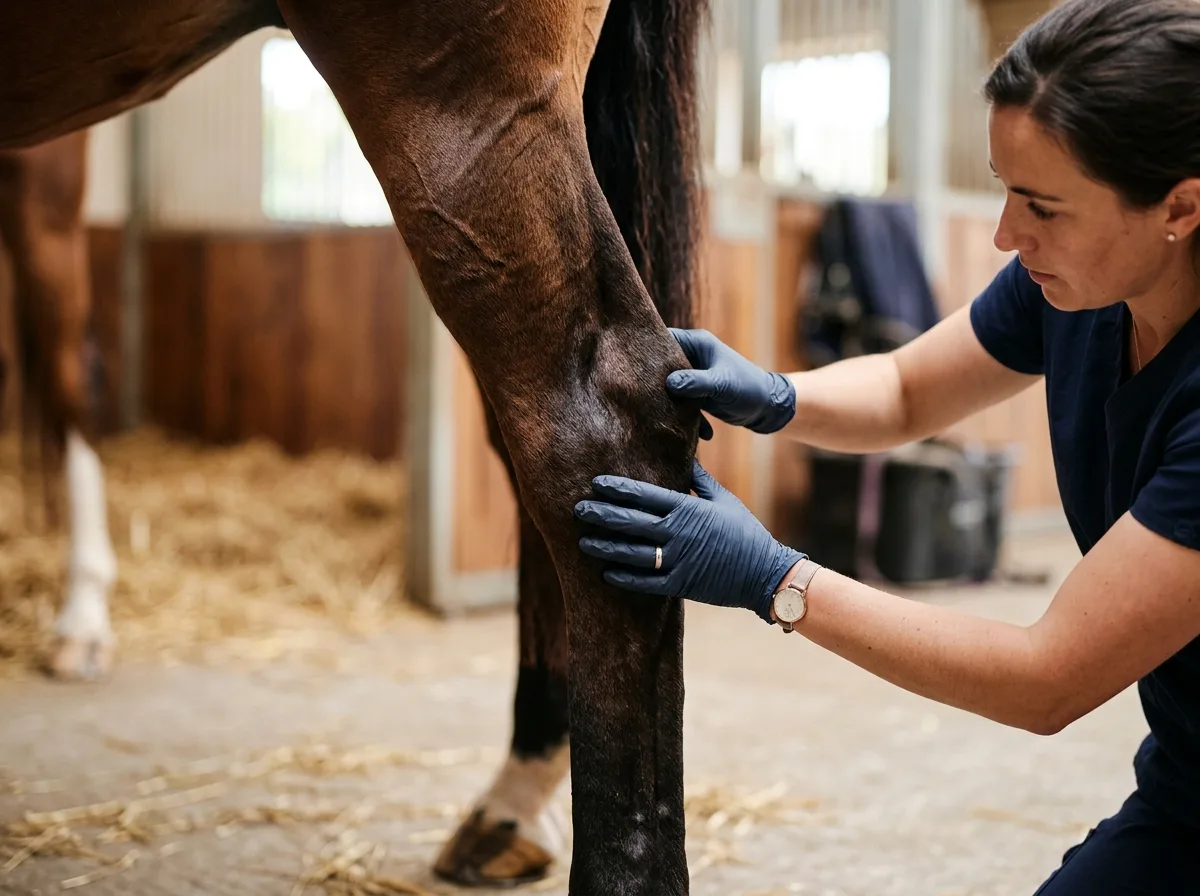
Arthritis is one of the most common conditions affecting horses, particularly those over the age of 15 or horses with a long history of athletic work. Whether your horse is showing early signs of stiffness or is managing advanced degenerative joint disease, PEMF therapy offers a non-invasive, drug-free approach to reducing pain, improving mobility, and supporting long-term joint health.
What Is Equine Arthritis?
Equine arthritis, also known as osteoarthritis or degenerative joint disease (DJD), occurs when the cartilage that cushions the joints breaks down over time. As cartilage deteriorates, the bones within the joint begin to rub against each other, causing inflammation, pain, and reduced range of motion. Arthritis can develop in any joint, but it most commonly affects the high-motion joints that bear the greatest load during movement.
The condition is progressive, meaning it worsens over time without intervention. Early detection and proactive management are essential for maintaining quality of life. Common signs include reluctance to bend or flex, shortened stride length, difficulty picking up hooves, warmth or swelling around joints, and general stiffness that may improve slightly as the horse warms up during exercise.
Which Joints Are Most Commonly Affected?
In horses, arthritis frequently develops in the hocks, fetlocks, coffin joints, pasterns, and knees. Hock arthritis (bone spavin) is especially common in performance horses that do a lot of collected work, such as dressage horses, or those that engage in repetitive jumping. Fetlock arthritis tends to affect racehorses and eventers due to the extreme forces placed on these joints at speed. Coffin joint arthritis, occurring within the hoof capsule, can be harder to detect early but often manifests as subtle, intermittent lameness that shifts between legs.
The location of arthritis determines how the horse compensates in its movement, which is why a whole-body approach to treatment matters. Compensatory movement patterns can create secondary soreness in the back, shoulders, and hindquarters, making comprehensive PEMF sessions particularly beneficial.
How PEMF Helps Arthritic Horses
Pulsed Electromagnetic Field therapy works at the cellular level to address the underlying mechanisms that drive arthritic pain. When electromagnetic pulses pass through tissue, they stimulate cellular activity in several important ways:
- Reduced inflammation: PEMF therapy helps regulate the body's inflammatory response by modulating the activity of pro-inflammatory cytokines. This reduces the chronic, low-grade inflammation that characterizes osteoarthritis and directly contributes to pain.
- Improved blood flow: The electromagnetic pulses cause vasodilation, increasing blood flow to the joint and surrounding tissues. Better circulation means more oxygen and nutrients reach damaged cartilage and joint structures, supporting the body's natural repair processes.
- Enhanced cellular repair: PEMF increases the production of adenosine triphosphate (ATP) within cells, the energy currency that powers cellular repair and regeneration. In arthritic joints, this accelerated cellular metabolism helps maintain remaining cartilage and supports the health of synovial fluid.
- Pain modulation: PEMF therapy influences the way nerve cells transmit pain signals, providing analgesic effects that can improve comfort without the need for pharmaceutical intervention or in conjunction with reduced medication protocols.
Unlike joint injections or oral medications that address symptoms alone, PEMF therapy targets the biological processes that contribute to joint deterioration. Many horse owners report noticeable improvements in movement quality and willingness to work after just a few sessions.
What to Expect During a Session
When treating arthritis, we focus the Magna Wave PEMF device on the affected joints while also addressing the surrounding musculature. A typical arthritis session lasts 30 to 45 minutes, depending on the number of joints involved and how your horse responds to treatment. Most horses relax deeply during sessions, often lowering their head, licking and chewing, or even dozing off — all positive signs that the body is responding.
We begin by assessing your horse's movement and areas of sensitivity, then systematically work through each affected area. The large loop applicator is ideal for broad coverage over the hips and back, while smaller applicators allow us to target specific joints like the hocks and fetlocks with greater precision. All sessions take place at your barn, so your horse stays in their familiar environment with no trailering stress.
Treatment Timeline and Frequency
For horses with arthritis, we typically recommend an initial series of three to five sessions spaced five to seven days apart. This loading phase allows the cumulative effects of PEMF therapy to build, with each session reinforcing the cellular changes initiated by the previous one. Many owners report visible improvement — freer movement, less stiffness on cold mornings, more willingness to engage the hindquarters — within the first two to three sessions.
After the initial series, most arthritic horses benefit from maintenance sessions every two to four weeks, depending on the severity of their condition, their workload, and the time of year. Cold weather and reduced turnout during winter months often increase stiffness, so more frequent sessions during late fall and winter can be particularly helpful.
It's important to understand that PEMF therapy does not reverse existing cartilage damage. What it does do is manage the inflammation and pain that arthritis causes, slow the progression of joint deterioration, and help your horse maintain the best possible quality of movement. Combined with appropriate farrier care, joint supplements, and a thoughtful exercise program, PEMF therapy is one of the most effective tools for keeping arthritic horses comfortable and active.
Working Alongside Your Veterinarian
PEMF therapy is a complementary treatment, not a replacement for veterinary care. If your horse has been diagnosed with arthritis or you suspect joint issues, we recommend working with your veterinarian to develop a complete management plan. PEMF integrates well with joint injections, oral joint supplements, corrective shoeing, and prescribed exercise programs. Many veterinarians in the Peterborough and Kawartha Lakes region are familiar with PEMF therapy and supportive of its role in multi-modal arthritis management.
Related Conditions
Quick Facts
- Condition
- Osteoarthritis / Degenerative Joint Disease
- Common Joints Affected
- Hocks, fetlocks, coffin joints, knees, pasterns
- Session Length
- 30 – 45 minutes
- Initial Protocol
- 3 – 5 sessions, 5 – 7 days apart
- Maintenance
- Every 2 – 4 weeks
- Results Noticed
- Often within 2 – 3 sessions
Is your horse stiff or sore?
Book a mobile PEMF session and see the difference after the first visit.
Book a Session